The spurdog is a small, sharply spined shark that was once the most abundant shark in the north-east Atlantic — packed so densely in some areas that the name “dogfish” was applied to the entire phenomenon. Long overfished, it is now a Critically Endangered species in north-eastern Atlantic waters, and is a prohibited species in UK fisheries. This guide looks at the species itself.
Identification
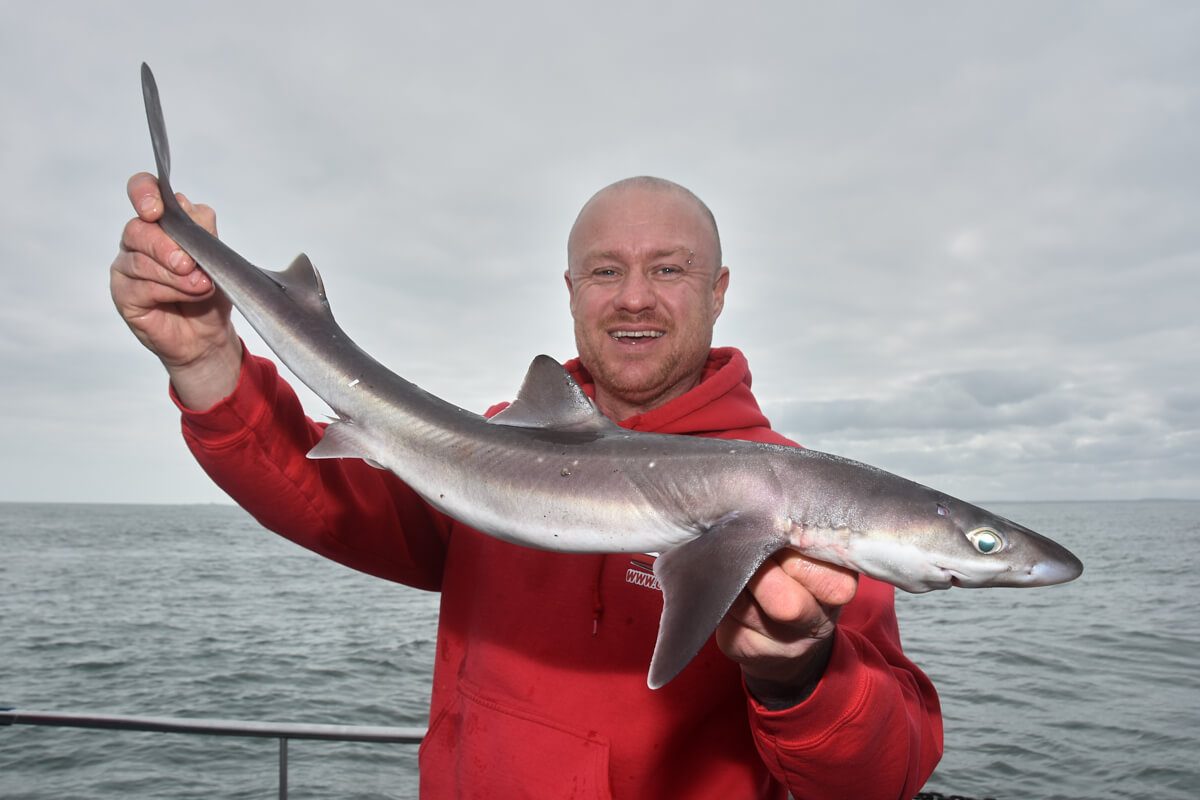
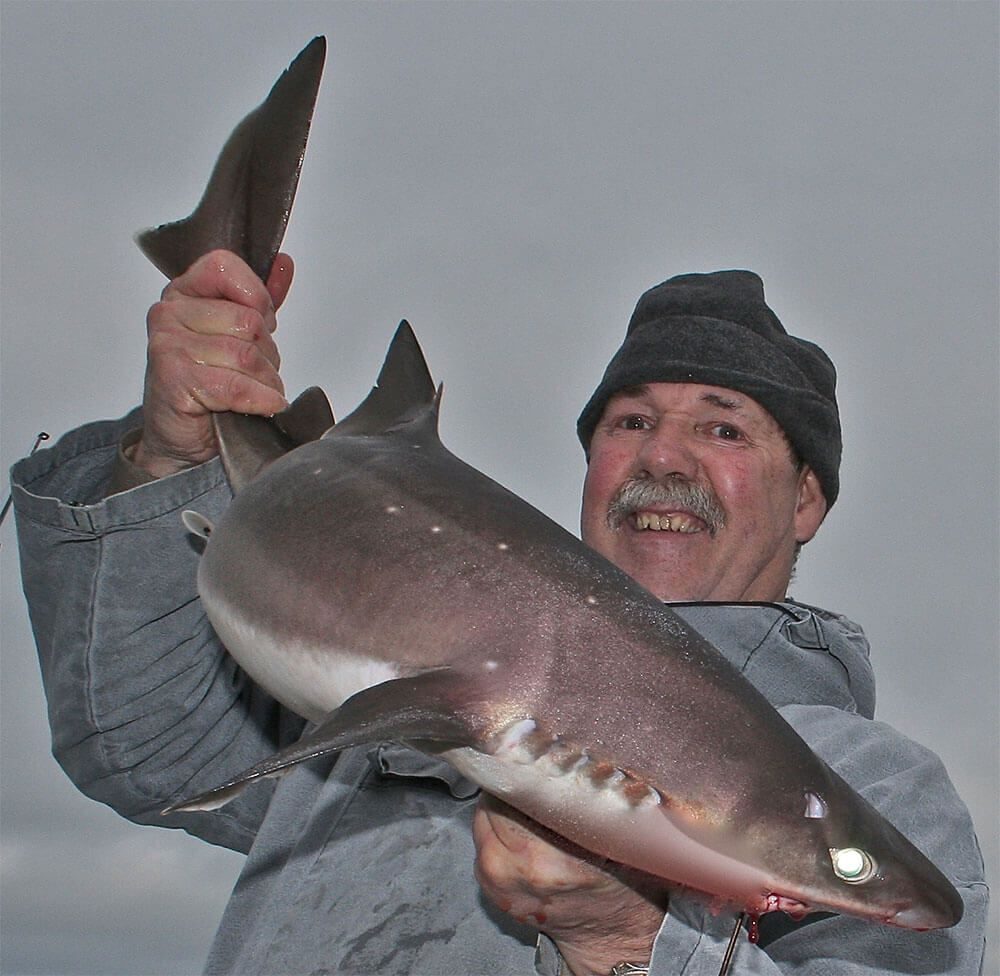
The spurdog is a slender, torpedo-shaped shark with two dorsal fins. The defining feature is the sharp, venomous spine projecting from the front of each dorsal fin — the “spur” of the name. Both spines are grooved. Colouring is grey to greyish-brown above with scattered small white spots along the upper flanks; pale below.
Distinguished from the lesser-spotted dogfish by the dorsal fin spines, the white spots, and by lacking the prominent orbital thorns and chin barbels of the rays.
Distribution
One of the most widely distributed sharks in the world, found in both the Atlantic and Pacific in temperate to cool-temperate waters. Around the British Isles it occurs on all coasts, with the northern and western grounds being most important.
Habitat
A benthopelagic species ranging from the intertidal zone to around 900 m. Highly migratory and often occurring in large, single-sex schools.
Diet
Fish, squid, octopus, crustaceans and other prey taken both in midwater and from the bottom.
History
The spurdog once supported one of Europe’s largest shark fisheries — it was caught for its flesh, its liver oil (for vitamin A before synthetic alternatives became available) and its rough skin (used as sandpaper). The liver oil fishery contributed to serious population depletion.
The NE Atlantic stock is prohibited — it is illegal to retain, land or sell spurdog caught in UK or EU waters. Any spurdog caught must be returned immediately.
Interesting Facts
The spurdog has one of the longest gestation periods of any shark — up to 24 months — making it exceptionally slow to recover from overfishing. A female can take 12 years to reach maturity and then produce only 3–11 pups per litter after nearly two years of pregnancy.
The dorsal spines are mildly venomous — a deep puncture from a spine can be painful and prone to infection.
A prohibited species — must be returned immediately. Do not retain.