The plaice is Britain’s most loved and most sought-after flatfish — the species that defines summer sandy-ground boat fishing, with its vivid orange spots and superb eating quality making it an iconic British fish on both the rod and the plate. This guide looks at the species itself.
Identification
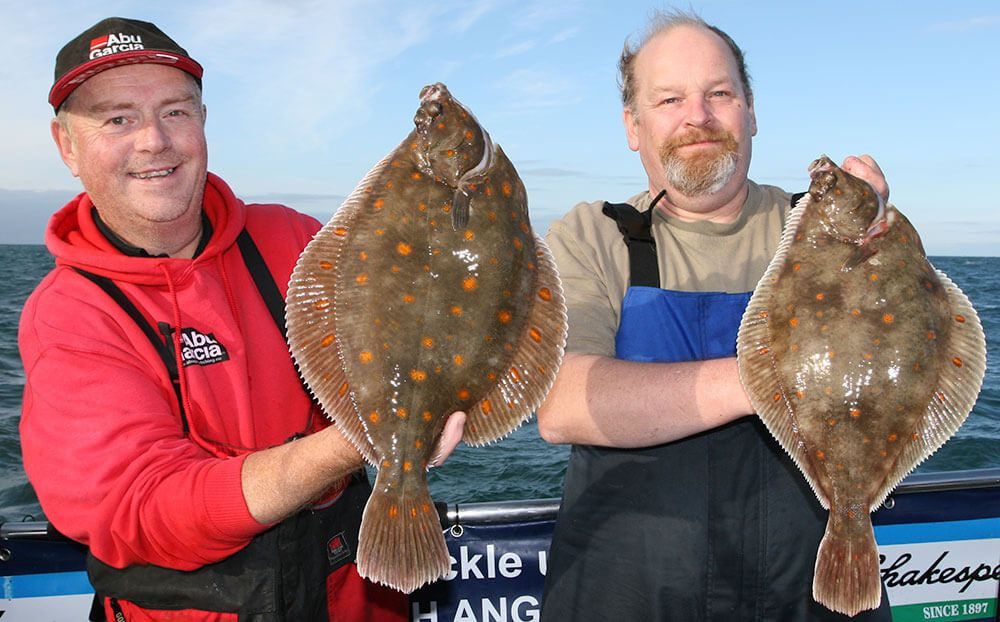
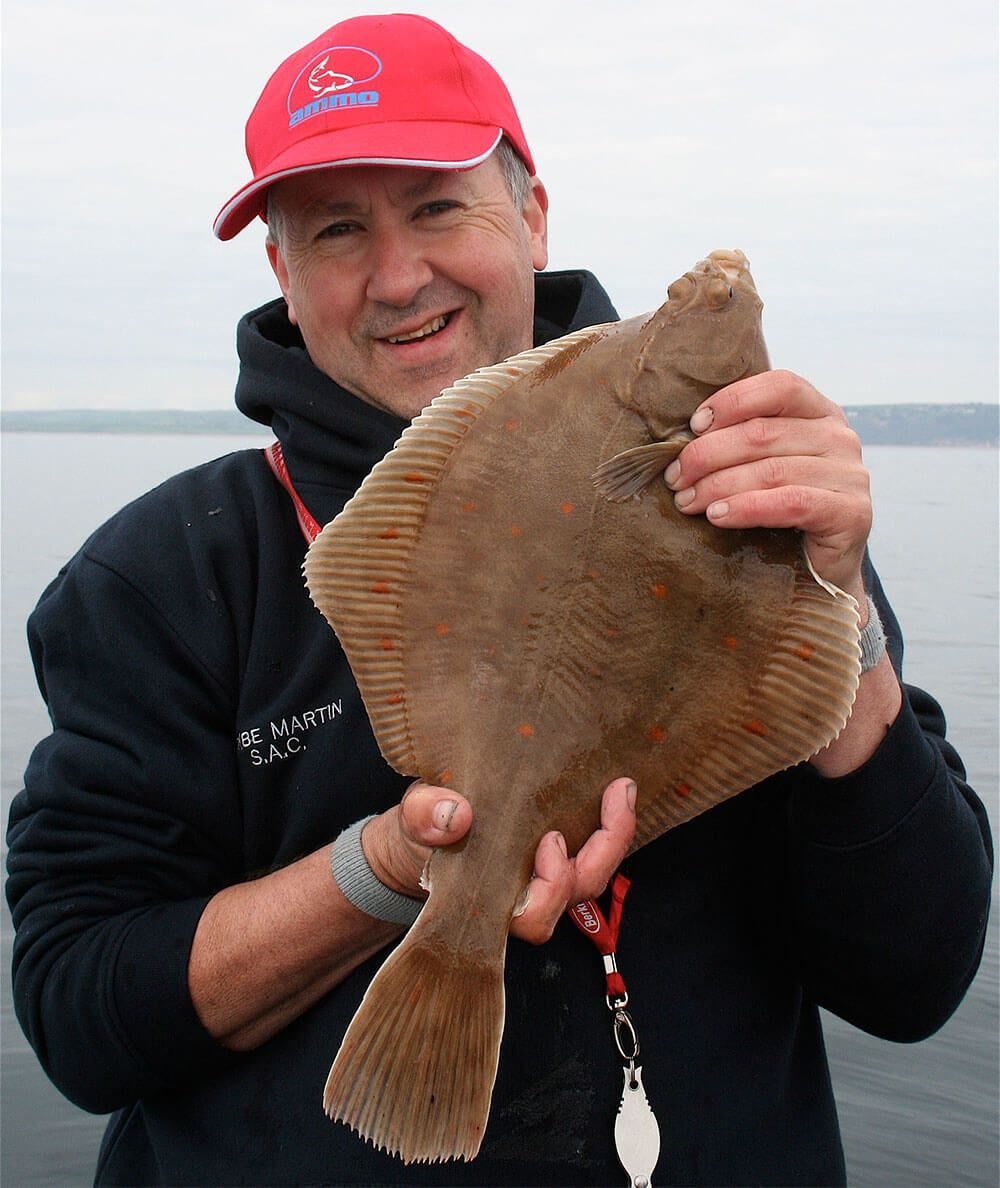
The plaice is a right-eyed flatfish with a smooth, oval body and a small, squared-off tail. The upper surface is a warm brown with conspicuous round orange or orange-red spots of variable size — this combination of spots and colouring is unique among British flatfish and identification is instant.
The underside is white. The lateral line has a pronounced arch over the pectoral fin. The skin is smooth. A distinctive row of four to seven bony knobs runs along the ridge from the eyes to the lateral line — another reliable identification character felt at a touch.
Distribution
Found throughout the north-eastern Atlantic from the Arctic to the Bay of Biscay, and in the northern North Sea and adjacent waters. Around the British Isles it is common on all sandy and mixed grounds, with the North Sea, the English Channel and the western approaches being the most productive grounds.
Habitat
Sandy and sandy-muddy seabed from the intertidal zone to around 200 m, with most fish between 10 m and 50 m. Moves offshore to spawn in winter and inshore again in spring and summer. Young plaice use shallow, sheltered nursery grounds including estuaries and intertidal beaches.
Diet
Worms, molluscs (particularly cockles, razor clams and mussels), crustaceans, brittle stars and small fish. The plaice crushes molluscs with strong pharyngeal teeth. Rag or lugworm, cockle and razorfish are the classic plaice baits, reflecting the natural diet.
History
The plaice has been commercially fished and eaten in Britain for centuries — it is the flatfish most associated with the British fish and chip trade, and with quality fish cookery. It is one of the most intensively managed fish stocks in the North Sea, with strict quota allocations.
The North Sea plaice stock suffered serious depletion through the 20th century but has recovered substantially under modern management. It remains fully operational as a commercial and recreational species.
Interesting Facts
The plaice is among the longest-lived of all British fish — exceptional specimens can reach over 50 years of age and extraordinary sizes, though fishing pressure means fish of this age are now very rare.
The famous plaice grounds of the North Sea — the Sole Pit, the Dutch coast, the Dogger Bank edge — have defined the British and Dutch commercial and recreational boat fishery for generations.
For sandy-ground tactics and seasonal timing, see our How to Catch Plaice guide.