Few fish carry the weight of history quite like the cod. It has fed armies, funded empires and shaped the map of the North Atlantic, yet to the UK and Irish sea angler it remains one of the most prized and recognisable captures of all. This guide looks at the fish itself – what it is, where it lives and how it earned its place at the centre of the sea angling world.
Identification
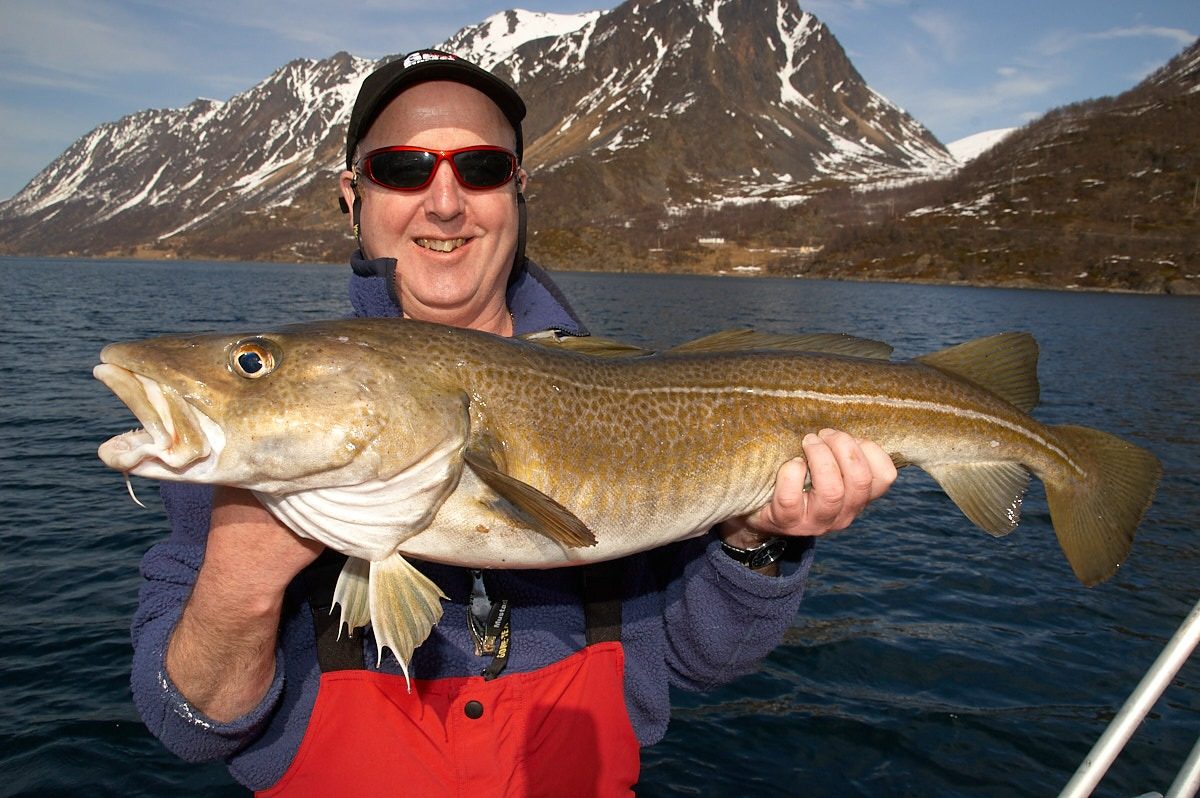
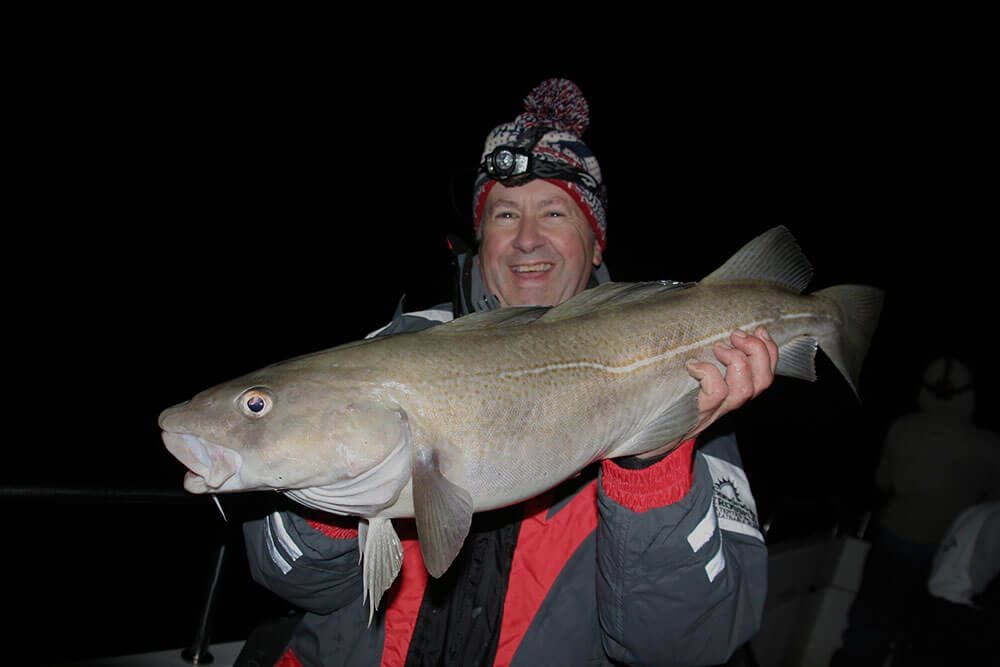
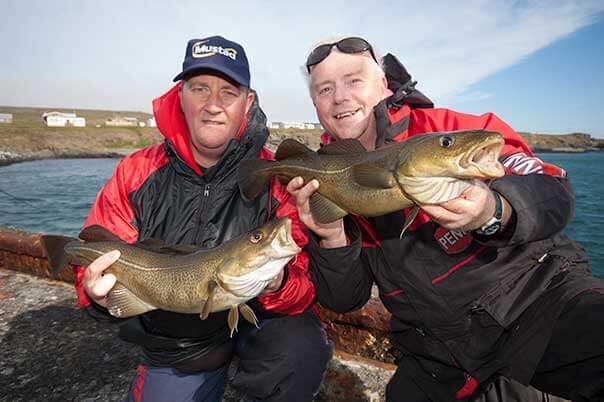
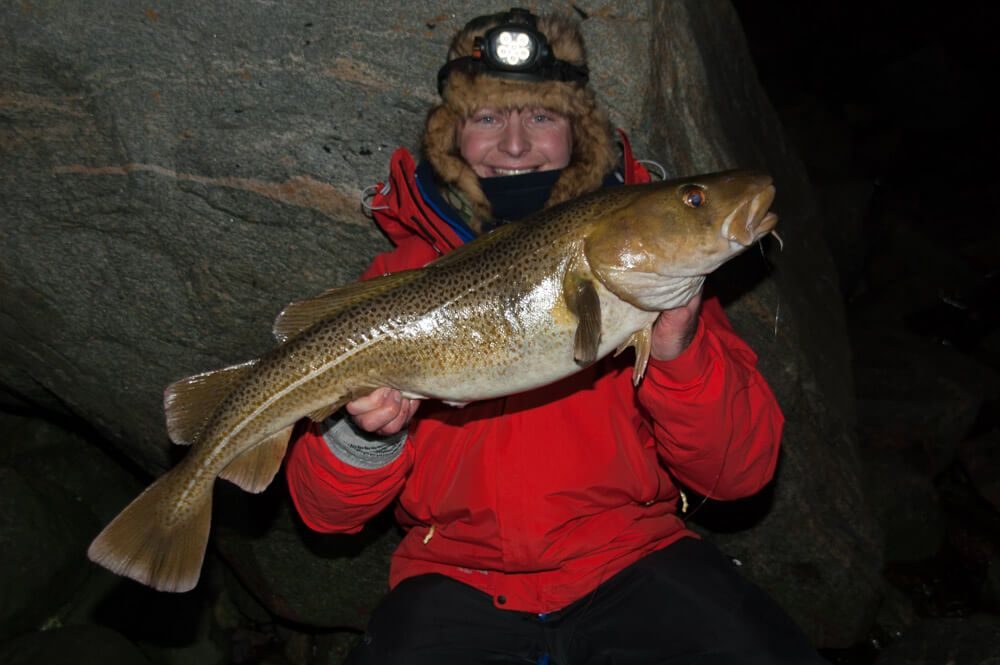
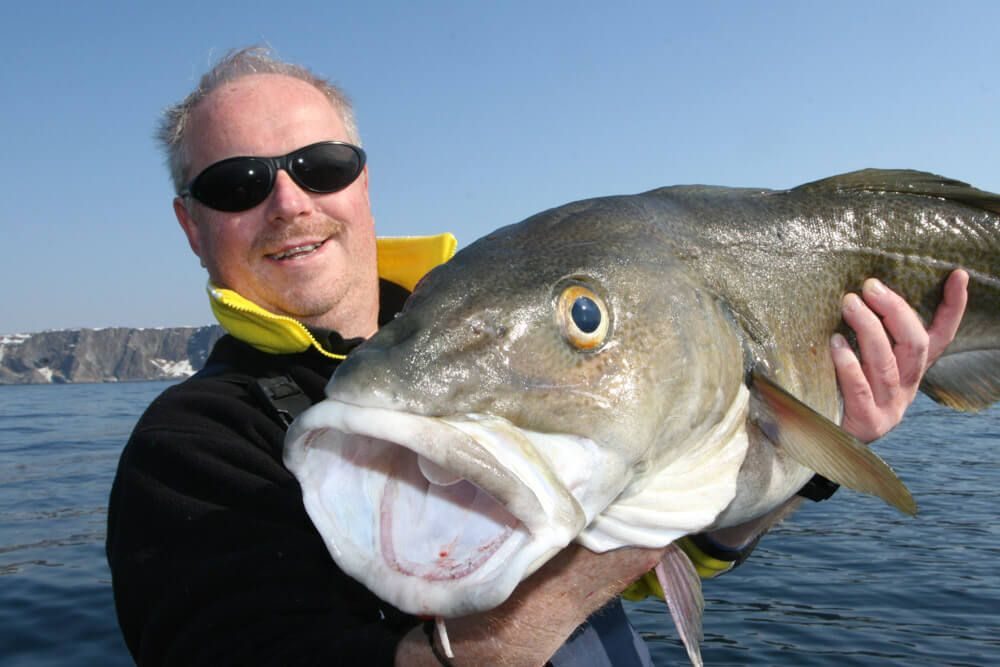
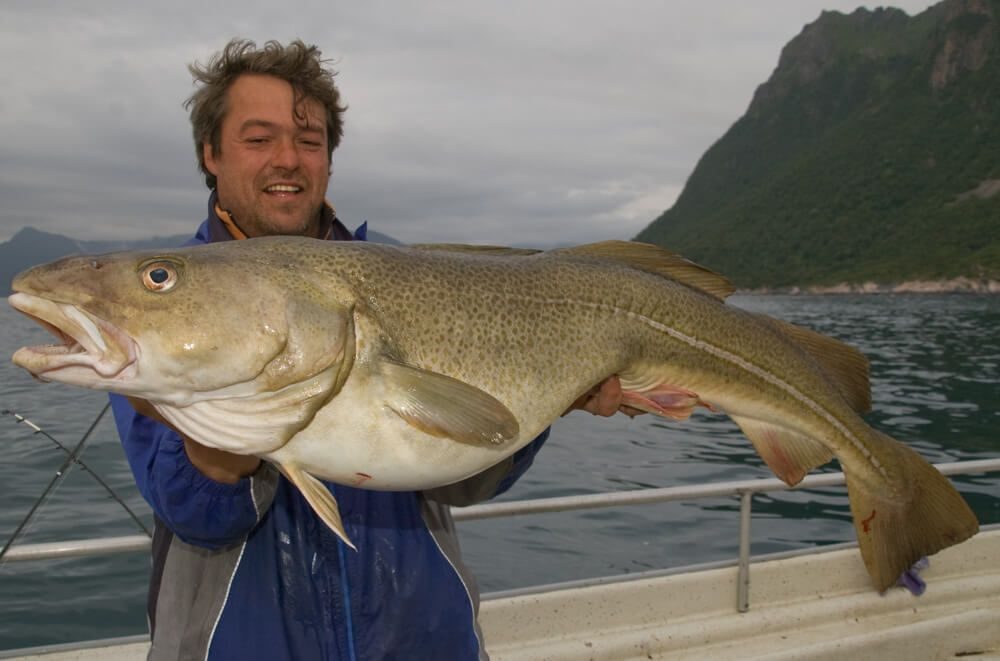
The cod is a thickset, heavy-shouldered fish with a broad, blunt head and a large mouth designed for hoovering food off the seabed. A single barbel hangs from the chin, a useful giveaway when separating it from its relatives.
It carries three rounded dorsal fins and two anal fins, with a squarish tail. The lateral line is pale and pronounced, curving upward above the pectoral fin before running straight to the tail.
Colour is variable and tied to habitat. Fish living over sand take on a mottled fawn or light brown back, while those feeding over rough, mixed ground turn a greener, more olive shade for camouflage. The belly is always white.
The cod is most often confused with the whiting, but the whiting has a more pointed head, a dark spot at the root of the pectoral fin and no meaningful chin barbel. The cod’s blunter profile and prominent barbel settle the matter.
Distribution
The Atlantic cod is a fish of the cold and temperate North Atlantic. On the western side it ranges from the waters off the eastern United States northward through Newfoundland and Canada to southern Greenland. On the eastern side it runs from the Bay of Biscay up through the British Isles to Iceland, Norway and the Barents Sea, as far north as the Arctic.
Cod are found all around the UK, with heavy concentrations in the North Sea, the English Channel, the Irish Sea and off Scotland. They are common throughout Ireland too, with the north-western coast from Mayo through Donegal generally holding the greater numbers.
Habitat
Cod are remarkably versatile. They are caught in just a few feet of water from the shore, yet also live out to the edge of the Continental Shelf in depths of 600 m and more.
Inshore they hold over clean sand on shallow and steep-to beaches, inside estuaries and off rocky cliffs and scars on rough ground. Offshore they favour reefs, wrecks and broken ground in deeper water, where food and cover are plentiful.
Movement matters to them. Cod respond to tide, swell and coloured water, often pushing right into the surf line after a blow to feed on dislodged food.
Diet
The cod is a true opportunist with an appetite to match its mouth. Smaller fish feed heavily on crabs, worms, shellfish, shrimps and squat lobsters.
As they grow and begin taking live prey, the menu expands to poor cod, pouting, whiting, flatfish, sandeel, herring and mackerel. They are also openly cannibalistic and will happily eat smaller cod.
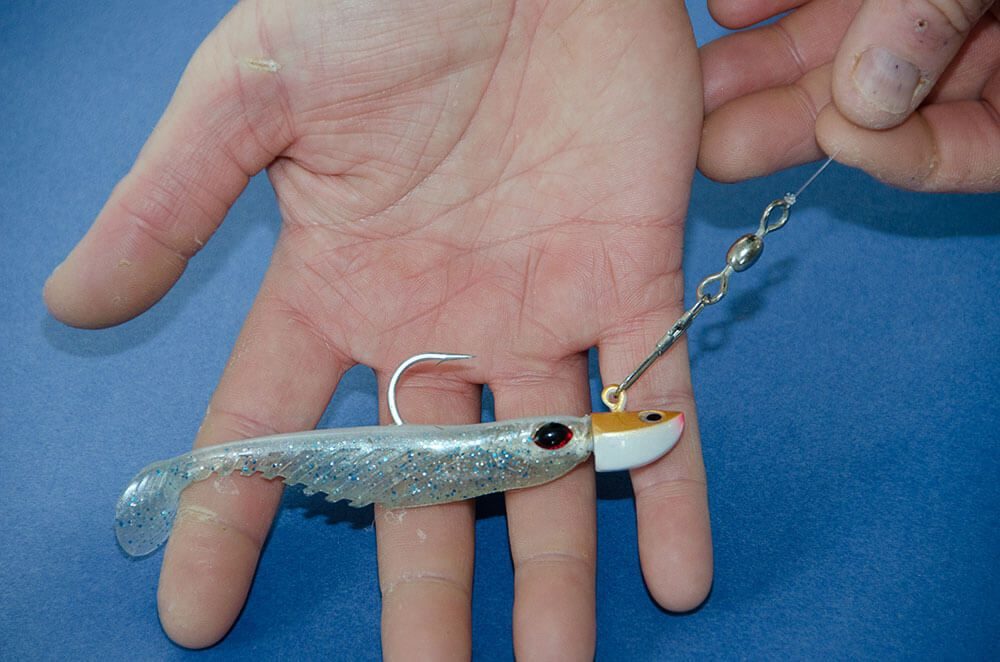
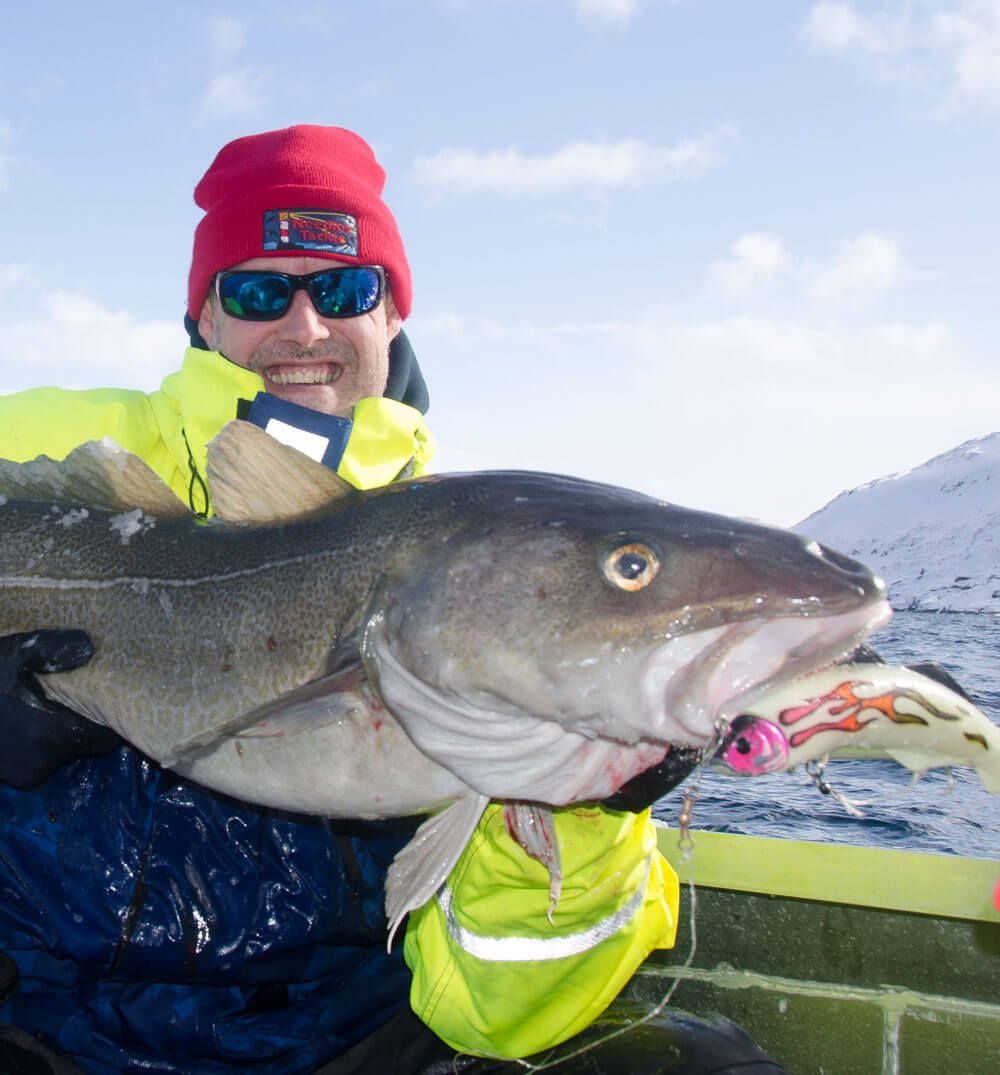
This broad diet is exactly why cod are caught on such a wide range of natural baits, and why they will also chase lures and pirks worked through the water column.
History
The cod’s importance to human history is hard to overstate. Dried and salted cod has been a traded commodity for over a thousand years, and it was this preserved fish that sustained the Vikings on their long voyages of raiding, settlement and trade across the North Atlantic – very possibly reaching the Americas centuries before Columbus.
In Norway, salted and dried cod is called klippfisk, or “cliff fish”, after the rock surfaces on which the fillets were once dried in the wind. Norway still exports it to around a dozen countries, with Portugal among the largest markets.
During the 1800s the Grand Banks off Newfoundland were the great cod mecca, producing immense catches and fish over 100 lb on handlines. It was said you could walk across the Atlantic on the backs of cod – an exaggeration, certainly, but a measure of how vast the stocks once were. In 1600s Newfoundland the fish was so central to the economy that it was used as an actual currency, traded for other goods and known simply as “cod currency”.
Relentless commercial fishing has since taken a heavy toll, and the great historic stocks are a shadow of what they once were – the reason the species sits as Vulnerable on the global IUCN assessment.
Interesting Facts
The biggest cod ever officially recorded weighed 212 lb (95.5 kg) and was caught commercially on a handline off Massachusetts in May 1895. Even today, commercial fish over 100 lb are still taken in Norwegian and Icelandic waters.
A single large female can be staggeringly productive, releasing between four and ten million eggs in one spawning. The eggs drift on ocean currents to maximise their spread.
Cod grow quickly, reaching around 4 lb by their third year, though they are not fully mature until about four years old.
If you would like to read more on how this one fish helped shape the modern world, Cod: A Biography of the Fish That Changed the World by Mark Kurlansky is an excellent and very readable account.